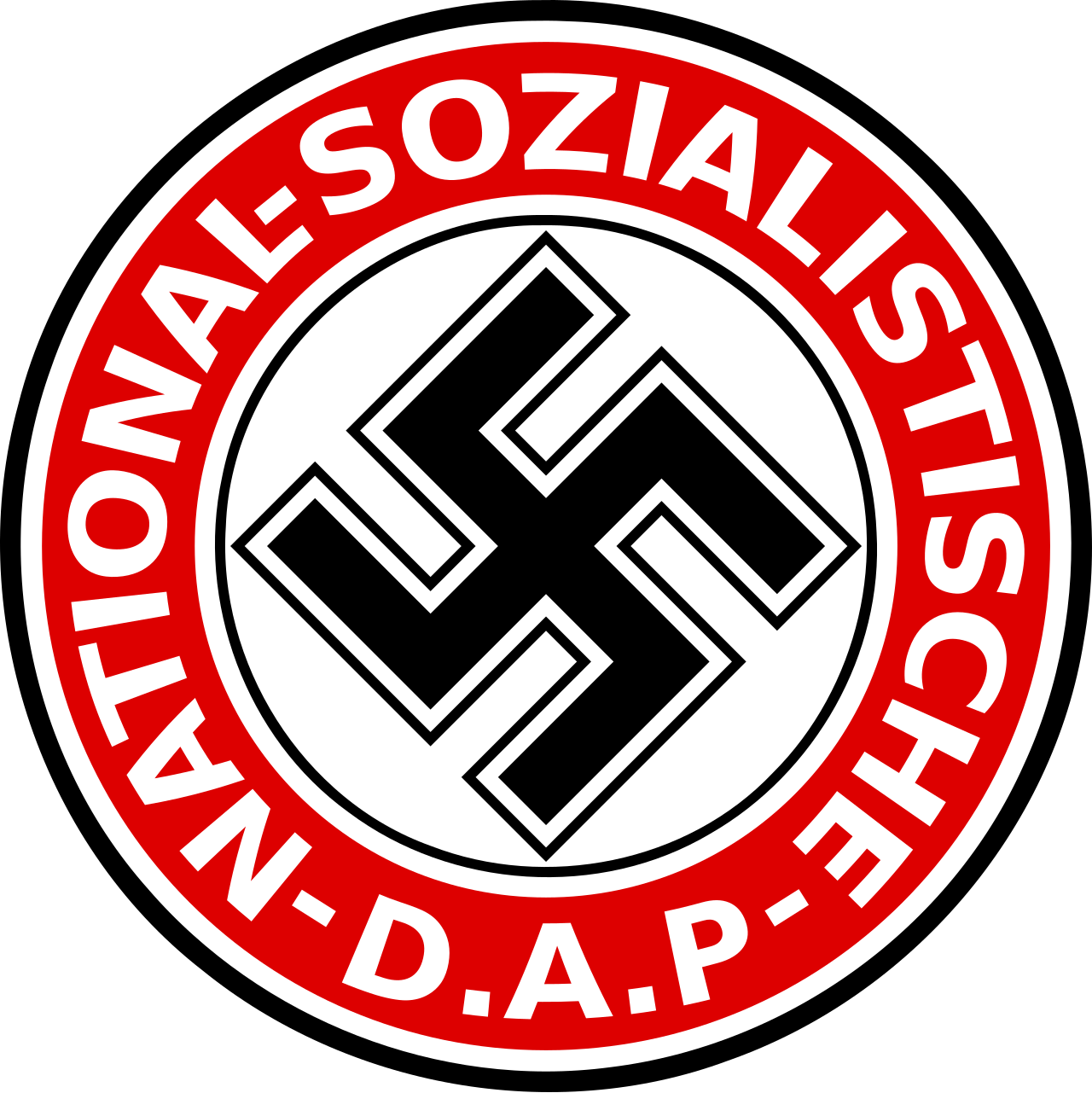
A Race Against Oblivion: The Unlikely Survival of the NSDAP Membership Files
In the final, desperate weeks of April 1945, as Adolf Hitler’s Third Reich crumbled into rubble and defeat, a frantic effort was underway in Munich to erase the darkest chapters of its history. From the hallowed halls of the Brown House – the infamous headquarters of the National Socialist German Workers' Party (NSDAP) – trucks rumbled through the devastated city. Their cargo? Not looted treasures or precious artifacts, but something far more insidious: mountains of paper, the meticulously compiled membership files of millions of Germans who had joined the party between 1925 and 1945. This was an attempt to bury the truth, to obliterate the evidence of complicity and allegiance. Yet, against all odds, a significant portion of these vital historical documents survived, providing an unparalleled insight into the fabric of Nazi Germany and forever shaping post-war Germany's reckoning with its past. The story of their preservation is a testament to the power of human intervention and the enduring need for historical accountability.
The Eleventh Hour: An Order for Annihilation
As Allied forces closed in and the defeat of Nazi Germany became an undeniable certainty, the NSDAP leadership issued a chilling directive: destroy all traces. The goal was simple – prevent the victorious Allies from using the comprehensive records for their anticipated "denazification" efforts and to shield former party members from the consequences of their actions. Imagine the scene at the Brown House: frantic party functionaries, burdened by the weight of their crumbling regime, overseeing the loading of countless index cards onto trucks. These weren't just haphazard lists; the NSDAP had maintained a highly organized, dual-system archive. There was the Zentralkartei (Central Card Index), meticulously arranged alphabetically by member name, and the Gaukartei (District Card Index), organized geographically by party district. Together, they comprised an astonishing 10.2 million entries, representing the vast membership of the party. The sheer volume was staggering – an estimated 50 tons of paper, a silent testament to the party's pervasive reach across German society.
The cards, often green and blue, were hurriedly mixed and thrown onto the waiting vehicles, their orderly arrangement deliberately disrupted. The destination: a paper mill in Freimann, a district of Munich, where these invaluable historical documents were slated for pulping, intended to disappear forever into the maw of industrial destruction. The intent was clear: to create an informational void, making it impossible to accurately identify, track, and prosecute those who had actively participated in the Nazi regime.
A Miller's Crucial Intervention: Hanns Huber's Stand
The trucks navigated the bomb-scarred streets of Munich, carrying their incriminating cargo towards what should have been their final destination. Upon arrival at the paper mill in Freimann, the process of destruction was set to begin. But then, an extraordinary moment of historical foresight – or perhaps simply a profound recognition of what lay before him – occurred. Hanns Huber, the owner of the paper mill, intervened. As the enormous quantities of paper were offloaded, Huber quickly realized the immense significance of what he held in his hands. These were not just waste paper; they were the meticulously detailed records of the Nazi Party, a direct window into the lives of millions who had pledged allegiance to Hitler. Understanding the monumental historical and legal value of these files, Huber made a courageous decision: he stopped the destruction. His act was a quiet rebellion against the obliteration of truth, a pivotal moment that saved an irreplaceable piece of history from the ashes of war. Without his intervention, the task of post-war denazification would have been immeasurably more difficult, and our understanding of the Third Reich's foundations would be profoundly incomplete.
Discovery, Dissemination, and the Berlin Document Center
Hanns Huber's brave act ensured the physical survival of the files, but their discovery and subsequent utility were still dependent on the Allied forces. In the autumn of 1945, American forces uncovered the salvaged documents at the Freimann mill. Recognizing their immense intelligence and historical value, they swiftly secured the trove of records. By early 1946, these precious materials were transported to Berlin, where they formed the core collection of the newly established Berlin Document Center (BDC), an institution created specifically to manage and utilize captured German records.
Initially, the existence of the largely intact NSDAP membership files was kept under wraps by the Allied powers. The intent was strategic: to prevent former Nazis from taking preemptive action to evade justice. However, by mid-October 1945, news of the discovery began to leak into the public domain. On October 19, 1945, the highly respected Swiss newspaper "Neue Zürcher Zeitung" published a concise, albeit somewhat imprecise, report: "The discovery of the complete lists of members of the NSDAP, which contain over eight million names, including those of party members abroad, will considerably facilitate the cleansing action in Germany." Other papers, like "Der Murtenbieter," creatively embellished the story, mistakenly claiming the lists were found in Berlin and were fully complete. In reality, these were not "lists" but rather the two distinct card indexes, alongside other related documents, and crucially, they were not entirely intact.
The American military government's own newspaper in Germany, the "Neue Zeitung," subsequently picked up the story, reporting in late October 1945 under the headline "Names among Waste Paper" that large portions of the NSDAP membership files had survived the war. This public revelation confirmed the fears of many former party members and offered a potent tool for the Allies' denazification program, aimed at purging Nazi influence from German society.
The Enduring Legacy: Researching the NSDAP Membership Files Today
While miraculous, the survival of the NSDAP membership files was not absolute. Historian Jürgen Falter, who extensively researched the card index for his seminal work Hitlers Parteigenossen (Hitler's Party Comrades), estimates that approximately 44 percent of the Zentralkartei and a more substantial 77 percent of the Gaukartei survived. Despite these losses, the remaining collection is formidable. According to calculations by DIE ZEIT, the Zentralkartei still contains around 4.5 million names, while the Gaukartei holds an impressive 8.2 million. Combined, these two archives allow for the identification of approximately 90 percent of all former NSDAP members, making them an unparalleled resource for historical research and genealogical investigation.
Today, these records remain indispensable for understanding the depth and breadth of Nazi support. For genealogists and family historians, they offer a complex and often challenging path to tracing ancestors who may have been involved with the regime. Resources like the Unearthing History: Millions in the NSDAP Membership Card Index provide a crucial gateway into these archives. When utilizing tools like the NSDAP Files: Your Guide to Tracing Ancestors in the Party Archive, particularly those offered by reputable institutions or media like Die Zeit Nsdap Mitgliederkartei search engines, it's vital to have precise information. Due to the vast number of members and common surnames, accurate identification often requires a specific birth date and place of birth for your ancestor. This data allows researchers to pinpoint individual membership cards, which often contain more than just a name, potentially detailing entry dates, specific party functions, and other biographical notes.
The existence of both the Zentralkartei and the Gaukartei can lead to multiple cards for a single individual, providing different angles or reinforcing information. It underscores the importance of cross-referencing and meticulous research when delving into such sensitive historical data. These archives serve not only as a record of individual membership but also as a powerful reminder of the pervasive nature of the Nazi Party and its reach into ordinary German lives.
Conclusion
The survival of the NSDAP membership files from the jaws of destruction in April 1945 is a pivotal chapter in post-war history. From the desperate attempts at the Brown House to erase the past, through the courageous intervention of paper mill owner Hanns Huber, to the Allied discovery and the subsequent establishment of the Berlin Document Center, this extraordinary journey ensured that truth would ultimately prevail over intended oblivion. These meticulously preserved records, despite their partial losses, continue to serve as a vital historical resource. They not only aided the critical denazification efforts but also continue to inform our understanding of the societal foundations of Nazi Germany. For anyone seeking to comprehend this dark period or to trace the complex paths of their ancestors, the availability of resources like the Die Zeit Nsdap Mitgliederkartei and the expertise it provides are indispensable, offering an unwavering light on a history that was never meant to be told.